
Showing the single result
-
Ritalin 10mg (Methylphenidate HCl)
$6.00 Select options This product has multiple variants. The options may be chosen on the product page
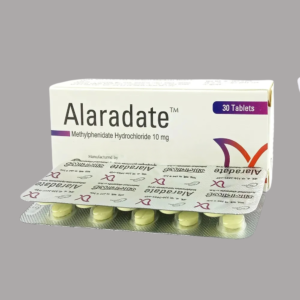
What Is Ritalin?
Ritalin belongs to the Methylphenidate class of drugs. It is also a central nervous system CNS stimulant and a prescription medication effectively used to treat attention deficit hyperactivity disorder (ADHD), and Narcolepsy.
This medication helps a person with ADHD to focus and concentrate, be less fidgety, and control their impulsive and hyperactive behaviour.
If you have an existing psychotic disorder, then using this medication can worsen your symptoms. This medication can cause rapid or irregular heartbeat, delirium, panic, psychosis, and severe heart failure.
Ritalin is the brand name for methylphenidate, a central nervous system stimulant. It is commonly prescribed to improve attention span, reduce impulsive behaviour, and increase wakefulness in individuals with ADHD or narcolepsy.
It is available in immediate-release and extended-release formulations depending on how long symptom control is needed.
About Ritalin (Methylphenidate)
Methylphenidate is widely used in clinical psychiatry and paediatric medicine.
Methylphenidate, commonly known by the brand name Ritalin, is a prescription stimulant medication used primarily to treat attention deficit hyperactivity disorder (ADHD) and narcolepsy. It works by increasing certain brain chemicals that help improve focus, attention, and impulse control. Because it is a controlled substance with a high potential for misuse and dependence, it is strictly regulated and must be used under medical supervision.
It is commonly prescribed for:
- Attention deficit hyperactivity disorder (ADHD)
- Narcolepsy (excessive daytime sleepiness)
- Occasionally off-label uses under strict medical supervision
It is considered a Schedule II controlled substance in the United States due to its potential for abuse and dependence.
How Ritalin Works in the Brain
Ritalin works by increasing levels of dopamine and norepinephrine in the brain—chemicals involved in attention, motivation, and impulse control.
This leads to:
- Improved focus and attention
- Better impulse control
- Reduced hyperactivity
- Increased alertness
Unlike sedatives, it stimulates rather than slows brain activity.
Ritalin Uses
- Attention Deficit Hyperactivity Disorder (ADHD) – Ritalin is mainly used in the treatment and management of ADHD. This medication helps in improving focus and concentration and reduces impulsivity and hyperactivity in a person suffering from ADHD.
- Narcolepsy – This medication helps to increase sleep tendency in a dose-related fashion and improve wakefulness in a person with
- Attention Deficit Hyperactivity Disorder (ADHD) – Ritalin is mainly used in the treatment and management of ADHD. This medication helps in improving focus and concentration and reduces impulsivity and hyperactivity in a person suffering from ADHD.
- Narcolepsy – This medication helps to increase sleep tendency in a dose-related fashion and improve wakefulness in a person with narcolepsy. A person’s sleep cycle may become impaired with a resulting reduction in the total sleep time.
Increasing levels of dopamine and norepinephrine levels lead to –
- Increased focus and attention
- Reduces impulsivity and hyperactivity
- Increased wakefulness and alertness
- Enhanced motivation and drive
Doctors may sometimes also prescribe this medication to treat other health conditions like depression.
How Does It Work
CNS stimulant medication, including Ritalin, works by increasing the levels of the two neurotransmitters in the brain called dopamine and norepinephrine.
It blocks the reuptake of neurotransmitters in the brain called (dopamine and norepinephrine) from the synapse, which increases their availability, and it also enhances the release of these neurotransmitters in the brain.
Unlike other antidepressant medications that take around three hours to work. Ritalin has a relatively rapid onset of action, and it takes about 20 – 30 minutes to start working after the child swallows it.
. A person’s sleep cycle may become impaired with a resulting reduction in the total sleep time.
Increasing levels of dopamine and norepinephrine levels lead to –
- Increased focus and attention
- Reduces impulsivity and hyperactivity
- Increased wakefulness and alertness
- Enhanced motivation and drive
Doctors may sometimes also prescribe this medication to treat other health conditions like depression.
Medical Uses of Ritalin
Ritalin is prescribed for:
- ADHD in children, adolescents, and adults
- Narcolepsy
- Sometimes treatment-resistant fatigue or attention disorders (off-label)
It is typically part of a broader treatment plan that may include behavioural therapy.
Ritalin Dosage (mg)
Methylphenidate is available in multiple forms:
- Immediate-release: 5 mg, 10mg, 20 mg
- Extended-release (varies by brand): 10 mg to 60 mg equivalents
Dosage depends on:
- Age and weight (for children)
- Severity of symptoms
- Individual response
- Tolerance to stimulants
Doctors usually start with a low dose and adjust gradually.
How Ritalin Works
Ritalin improves attention and focus by enhancing neurotransmitter activity in the brain’s prefrontal cortex.
Effects may include:
- Increased concentration
- Reduced distractibility
- Improved task completion
- Increased wakefulness
It typically begins working within 20–60 minutes.
Side Effects of Ritalin
Like all stimulant medications, methylphenidate can cause side effects.
Common Side Effects
- Loss of appetite
- Insomnia
- Nervousness or anxiety
- Headache
- Increased heart rate
- Dry mouth
Serious Side Effects
- High blood pressure
- Heart rhythm problems (rare but serious)
- Mood changes or irritability
- Risk of dependence or misuse
- Growth suppression in children (with long-term use)
Prevention of Side Effects
To reduce risks, patients are advised to:
- Take only as prescribed
- Avoid late-day dosing to prevent insomnia
- Avoid alcohol or illicit drugs
- Monitor heart rate and blood pressure if advised
- Maintain regular medical follow-ups
Risks and Safety Considerations
Methylphenidate carries important risks:
- Potential for dependence or misuse
- Sleep disturbances
- Appetite suppression and weight loss
- Cardiovascular strain in susceptible individuals
- Anxiety or mood changes
Because of these risks, it is tightly regulated in most countries.
Drug Interactions
Ritalin may interact with:
- MAO inhibitors (dangerous blood pressure effects)
- Antidepressants
- Blood pressure medications
- Antipsychotics
- Alcohol or other stimulants
These combinations can increase side effects or reduce safety.
Dependence and Misuse Risk
Methylphenidate has known misuse potential, especially when taken in higher doses or without medical supervision.
Risks include:
- Psychological dependence
- Tolerance over time
- Misuse for performance enhancement
- Sleep and mood disruption
For this reason, prescriptions are closely monitored.
Access and Prescription Requirements
Methylphenidate is a prescription-only controlled substance.
Legal access requires:
- Evaluation by a licensed healthcare provider
- Diagnosis of ADHD or narcolepsy
- Valid prescription
- Dispensing through a licensed pharmacy
In many regions, including the United States, federal law prohibits buying or selling controlled stimulants online without a valid prescription and a legitimate pharmacy system.
Authorities also warn that many websites advertising “Ritalin online” sell unapproved or counterfeit products and operate illegally.
Online Availability and Safety
Legitimate online access may exist only through:
- Licensed telehealth consultations
- Verified pharmacies with prescription verification
- Mail-order pharmacy services linked to a real prescription
However, stimulant medications like Ritalin are more tightly regulated than many other prescriptions due to abuse risk, meaning availability through online-only sellers is extremely restricted.
Any website offering Ritalin without a prescription is unsafe and potentially illegal.
Misuse and Public Health Concerns
Ritalin misuse is a known public health issue.
Concerns include:
- Non-medical use for studying or focus enhancement
- Sharing or selling prescription pills
- Counterfeit stimulant products online
- Cardiovascular and mental health risks from misuse
Because of these risks, strict regulations exist worldwide.
Storage and Safety
Patients prescribed Ritalin should:
- Store medication securely
- Keep away from children and others
- Never share prescriptions
- Follow controlled substance disposal rules
Proper storage reduces risk of misuse or accidental ingestion.
FAQs About Ritalin
Is Ritalin addictive?
Yes, it can be habit-forming if misused.
How long does Ritalin last?
Immediate-release forms last about 3–4 hours.
Can Ritalin be used daily?
Yes, if prescribed and monitored by a doctor.
Does Ritalin improve focus in everyone?
No, it is only intended for individuals diagnosed with ADHD or narcolepsy.
Can I stop Ritalin suddenly?
Usually yes, but medical guidance is recommended for long-term users.
Conclusion
Methylphenidate (Ritalin) is an effective prescription medication used to treat ADHD and narcolepsy by improving focus, attention, and wakefulness. While it can significantly improve daily functioning for appropriate patients, it also carries risks such as dependence, cardiovascular side effects, and misuse potential.
Ritalin is one of the most effective and initially used medications in the treatment and management of ADHD symptoms, and it also improves wakefulness in a person with narcolepsy.
However, being a CNS stimulant, Ritalin contains a higher risk of abuse and misuse, and it can cause certain severe side effects and withdrawal symptoms when it is used in inadequate amounts without a doctor’s prescription.
Doctors recommend using this medication for short-term treatment to prevent any abuse, misuse, and addiction to this medication.