
Showing all 4 results
-
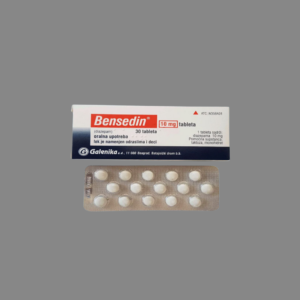
Diazepam 10mg (Bensedin)
$5.00 Select options This product has multiple variants. The options may be chosen on the product page -
Diazepam 10mg (DIGIPAM)
$3.5 Select options This product has multiple variants. The options may be chosen on the product page -
Diazepam 10mg (Martin Daw Roche)
$5.00 Select options This product has multiple variants. The options may be chosen on the product page -
Diazepam 2mg (Elipam)
$4.00 Select options This product has multiple variants. The options may be chosen on the product page


What Is Valium?
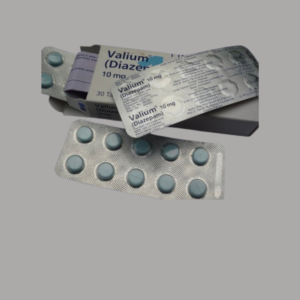
Valium is the brand name for diazepam, a long-acting benzodiazepine. It is commonly prescribed for short-term relief of anxiety symptoms, muscle spasms, and certain neurological conditions.
It works by enhancing the effect of gamma-aminobutyric acid (GABA), a neurotransmitter that slows down brain activity and produces a calming effect.
Valium, generically known as diazepam, is a medication that belongs to the benzodiazepine class of drugs. It is commonly prescribed for its calming effects and has been a staple in the treatment of various conditions since its introduction in the 1960s. This article aims to provide a comprehensive overview of Valium, including its uses, how it works, potential side effects, and important considerations for patients.
How It Works
Valium (generic name: diazepam) is a medication used to treat a range of conditions, including anxiety, muscle spasms, and seizures. It belongs to the benzodiazepine class of drugs. Here’s how Valium works:
1. Central Nervous System Depression:
Valium acts on the central nervous system (CNS) by enhancing the effects of a neurotransmitter called gamma-aminobutyric acid (GABA). GABA is a neurotransmitter that inhibits nerve activity, leading to a calming effect on the brain and body. By boosting GABA’s effects, Valium helps to reduce anxiety, muscle tension, and seizures.
2. Receptor Binding:
Valium binds to specific sites on GABA receptors in the brain. This binding increases the efficiency of GABA, leading to greater inhibition of nerve activity. As a result, Valium produces a sedative effect that helps to relax both the mind and body, making it effective for conditions related to stress and anxiety.
About Valium (Diazepam)
Diazepam is one of the most well-known benzodiazepines and has been used in clinical practice for decades.
Diazepam, commonly known by the brand name Valium, is a prescription medication used to treat anxiety, muscle spasms, seizures, and symptoms of alcohol withdrawal. It belongs to the benzodiazepine class, which acts on the central nervous system to produce calming, sedative, and muscle-relaxing effects. Because of its potency and risk of dependence, it is strictly regulated and must be used under medical supervision.
It is commonly prescribed for:
- Generalized anxiety disorder
- Muscle spasms
- Seizure disorders
- Alcohol withdrawal symptoms
- Short-term anxiety relief
Because of its long half-life, its effects can last longer compared to some other benzodiazepines.
How Valium Works in the Brain
Valium enhances the activity of GABA, the brain’s primary inhibitory neurotransmitter. This reduces excessive neuronal activity and produces calming effects.
This leads to:
- Reduced anxiety
- Muscle relaxation
- Sedation
- Decreased seizure activity
While effective, this calming effect also contributes to its risk of dependence and sedation-related side effects.
Medical Uses of Valium
Valium is prescribed for:
- Anxiety disorders
- Acute anxiety episodes
- Muscle spasms
- Seizure management (as adjunct therapy)
- Alcohol withdrawal symptoms
- Pre-procedure sedation in some cases
It is typically used for short-term treatment or specific medical situations due to its risk profile.
Valium Dosage
Diazepam is available in several strengths, including:
- 2mg
- 5mg
- 10mg
Dosage depends on:
- Condition being treated
- Age and health status
- Severity of symptoms
- Patient response
Doctors typically prescribe the lowest effective dose for the shortest duration possible.
How Valium Works
Valium produces its effects by slowing brain activity through GABA enhancement.
Effects may include:
- Relaxation
- Reduced anxiety
- Sedation
- Muscle relaxation
- Improved sleep in anxiety-related insomnia
However, it can also impair coordination and cognitive function.
Side Effects of Valium
Like all benzodiazepines, diazepam can cause side effects.
Common Side Effects
- Drowsiness
- Fatigue
- Dizziness
- Muscle weakness
- Poor coordination
- Confusion
Serious Side Effects
- Respiratory depression (especially with other depressants)
- Memory impairment
- Depression or mood changes
- Dependence and withdrawal symptoms
- Risk of overdose when combined with alcohol or opioids
Prevention of Side Effects
To reduce risks, patients are advised to:
- Take only as prescribed
- Avoid alcohol completely
- Avoid combining with opioids or sedatives
- Avoid driving or operating machinery until effects are known
- Use only for short-term treatment when possible
Risks and Safety Considerations
Diazepam carries significant safety risks:
- Physical and psychological dependence
- Tolerance with long-term use
- Withdrawal symptoms if stopped abruptly
- Sedation and cognitive impairment
- Increased overdose risk with other depressants
Because of these risks, it is classified as a controlled prescription medication.
Drug Interactions
Valium may interact with:
- Alcohol
- Opioid pain medications
- Sleep medications
- Other benzodiazepines
- Muscle relaxants
- Certain antidepressants
These combinations can significantly increase sedation and risk of respiratory depression.
Dependence and Withdrawal
Long-term use of diazepam can lead to dependence. If stopped suddenly, withdrawal symptoms may occur.
Possible withdrawal symptoms include:
- Anxiety rebound
- Insomnia
- Irritability
- Tremors
- Sweating
- Seizures (in severe cases)
Doctors typically recommend gradual tapering to reduce withdrawal risks safely.
Access and Prescription Requirements
Diazepam is a prescription-only controlled substance.
Legitimate access requires:
- Evaluation by a licensed healthcare provider
- Diagnosis of a qualifying condition
- Prescription approval
- Dispensing through a licensed pharmacy or regulated telehealth system
Online consultations may be available, but prescriptions are only issued after proper medical assessment.
Any website offering Valium without a prescription is unsafe and may involve counterfeit or illegal products.
Misuse and Public Health Concerns
Valium has known misuse risks due to its calming and sedative effects.
Concerns include:
- Non-medical use for sedation or relaxation
- Increased overdose risk when combined with alcohol or opioids
- Dependence with prolonged use
- Impaired driving and accidents
Regulatory controls exist to reduce these risks.
Storage and Safety
Patients prescribed Valium should:
- Store medication securely away from others
- Keep out of reach of children
- Never share prescriptions
- Dispose of unused medication safely
Proper storage helps prevent accidental ingestion or misuse.
FAQs About Valium
Is Valium the same as diazepam?
Yes. Valium is the brand name for diazepam.
How long does Valium last?
It is long-acting and may remain in the body for many hours or longer.
Is Valium addictive?
Yes. It can cause dependence, especially with long-term use.
Can Valium be used long-term?
It is generally recommended only for short-term or intermittent use.
Can I stop Valium suddenly?
No. Sudden stopping can cause withdrawal symptoms and may be dangerous.
Conclusion
Diazepam (Valium) is a widely used prescription medication for anxiety, muscle spasms, and other neurological conditions. It is effective but carries significant risks such as dependence, sedation, and withdrawal.
If you experience any severe side effects from this medication, don’t wait—please call 911 right away and get the medical help you need. Your safety is the top priority. In conclusion, buying Valium online can be a convenient way to manage conditions such as anxiety, muscle spasms, and seizures. Valium (diazepam) is a benzodiazepine that helps to calm the brain by enhancing the effects of the neurotransmitter GABA, which can provide significant relief from symptoms. However, it’s crucial to proceed with care and caution to ensure your safety.