
Showing all 4 results
-
Diazepam 10 mg (DIGIPAM)
$3.5 Select options This product has multiple variants. The options may be chosen on the product page -
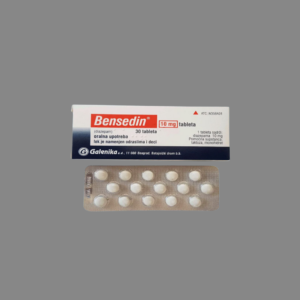
Diazepam 10 mg(Bensedin)
$5.00 Select options This product has multiple variants. The options may be chosen on the product page -
Diazepam 10 mg(Martin Daw Roche)
$5.00 Select options This product has multiple variants. The options may be chosen on the product page -
Diazepam 2mg (Elipam)
$4.00 Select options This product has multiple variants. The options may be chosen on the product page


What Is Valium?
Valium is the brand name for diazepam, a medication that belongs to a class of drugs known as benzodiazepines. It is commonly used to treat anxiety disorders, muscle spasms, seizure disorders, and symptoms of alcohol withdrawal. Valium works by calming the brain and nerves, helping to reduce excessive nervous activity that can cause anxiety and tension.
Diazepam has been widely used for decades and is known for its fast-acting calming effects. Because of its effectiveness, Valium is prescribed in various strengths depending on the individual’s medical needs and condition severity.
How Valium (Diazepam) Works
Valium works by enhancing the effects of gamma-aminobutyric acid (GABA), a natural chemical in the brain that helps reduce nerve activity. By increasing GABA activity, diazepam produces a calming, relaxing effect. This helps relieve anxiety, reduce muscle tension, and control certain types of seizures.
The calming effect of Valium typically begins within a short time after administration, making it helpful for acute anxiety episodes or sudden muscle spasms. However, its effects can vary depending on dosage, metabolism, and overall health.
Available Brands and Strengths
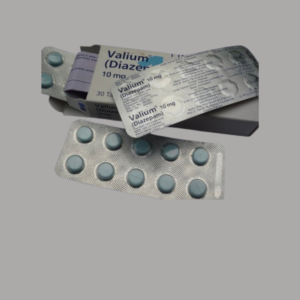
Valium (diazepam) is available under several brand names and manufacturers worldwide. Common 10 mg versions include Digipam 10 mg, Bensedin 10 mg, and Martin Dow Roche 10 mg. These contain the same active ingredient (diazepam) but may differ in manufacturer, packaging, and country of origin.
In addition to 10 mg tablets, lower strengths such as Elipam 2 mg are also available. Lower-dose tablets are often used when starting treatment, for elderly patients, or when mild anxiety symptoms require smaller doses.
Regardless of brand name, the therapeutic effect comes from diazepam. Proper identification through imprint and packaging helps ensure accurate medication use.
Common Uses of Valium
Valium is primarily used to manage anxiety disorders and short-term anxiety symptoms. It may also be prescribed for muscle spasms caused by injury or neurological conditions. In certain cases, it is used as an adjunct treatment for seizure disorders.
Another common use of diazepam is in the management of alcohol withdrawal symptoms, where it helps reduce agitation and prevent severe complications. Because of its calming properties, it may also be used before certain medical procedures to ease nervousness.
Possible Side Effects
Like all benzodiazepines, Valium may cause side effects. Common side effects include drowsiness, fatigue, dizziness, muscle weakness, and slowed reaction time. Some individuals may experience blurred vision or mild confusion.
More serious side effects can include severe drowsiness, breathing difficulties, mood changes, or unusual behavior. Elderly individuals may be more sensitive to sedation and are at greater risk of falls.
Risk of Dependence and Tolerance
Valium carries a risk of physical dependence, especially with long-term use. Over time, the body may develop tolerance, meaning higher doses may be needed to achieve the same calming effect. Stopping diazepam suddenly after prolonged use may result in withdrawal symptoms such as anxiety, insomnia, irritability, sweating, or tremors.
For this reason, dosage adjustments or discontinuation should be done gradually and under medical supervision.
Important Safety Considerations
Valium should not be combined with alcohol or other central nervous system depressants unless specifically directed by a healthcare provider. Combining such substances can increase the risk of excessive sedation and breathing difficulties.
Individuals with liver disease, breathing disorders, or a history of substance misuse should use caution. Proper storage is important to prevent accidental use by children or unauthorized individuals.
Final Thoughts on Valium
Valium (diazepam) is a well-established medication used to manage anxiety, muscle spasms, seizures, and withdrawal symptoms. Available in strengths such as 10 mg (Digipam, Bensedin, Martin Dow Roche) and lower doses like Elipam 2 mg, it provides flexible options depending on individual needs.
When used responsibly and under appropriate medical supervision, Valium can offer significant relief from anxiety and muscle tension. Understanding how it works, its potential side effects, and the importance of careful use helps ensure safer and more effective treatment outcomes.