
Showing all 4 results
-
Tramadol 100 mg (Citra)
$4.00 Select options This product has multiple variants. The options may be chosen on the product page -
Tramadol 100 mg (oltram)
$5.00 Select options This product has multiple variants. The options may be chosen on the product page -
Tramadol 100mg (Trakem)
$4.00 Select options This product has multiple variants. The options may be chosen on the product page -
Tramadol 225mg (Royal)
$6.00 Select options This product has multiple variants. The options may be chosen on the product page


What Is Tramadol?
Tramadol is a centrally acting pain medication used to treat moderate to moderately severe pain. It belongs to a class of medicines known as opioid analgesics, although it works slightly differently from traditional opioids. Tramadol is commonly prescribed when non-opioid pain relievers are not strong enough to control discomfort. It is used for conditions such as injury-related pain, post-surgical recovery, and certain chronic pain disorders.
Tramadol works by affecting how the brain and nervous system respond to pain signals. While it is effective for many individuals, it must be used carefully because it carries potential risks, including dependence and side effects.
How Tramadol Works in the Body
Tramadol has a dual mechanism of action. First, it binds to opioid receptors in the brain, reducing the perception of pain. Second, it inhibits the reuptake of neurotransmitters such as serotonin and norepinephrine. These brain chemicals help regulate mood and pain signals. By influencing both systems, tramadol provides broader pain control compared to some other medications.
This combined action makes tramadol effective for both nociceptive pain (such as muscle or joint pain) and certain types of nerve-related pain.
Available Strengths and Brands
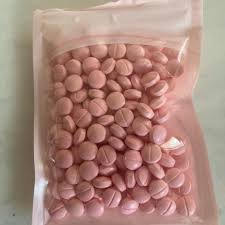
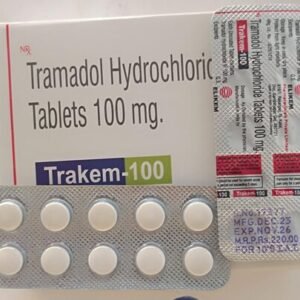
Tramadol is available in multiple strengths and brand variations. Some common strengths include 100 mg formulations such as Citra 100 mg and Traken 100 mg. There are also higher-dose extended-release options, such as 225 mg formulations, including Royal 225 mg.
The 100 mg versions are typically immediate-release tablets, designed to provide pain relief for several hours. The 225 mg version is often formulated as an extended-release tablet, which gradually releases medication over a longer period to provide consistent pain control throughout the day.
Different brand names may vary in manufacturer, packaging, and formulation type, but the active ingredient remains tramadol.
Common Uses of Tramadol
Tramadol is often used for short-term pain management after injuries or medical procedures. It may also be prescribed for chronic conditions such as arthritis, back pain, or neuropathic pain when long-term relief is needed.
The appropriate dosage depends on the severity of pain, overall health status, age, and prior exposure to opioid medications. Extended-release versions like 225 mg tablets are typically used when continuous pain management is required.
Possible Side Effects
Like all medications, tramadol can cause side effects. Common side effects include nausea, dizziness, drowsiness, constipation, dry mouth, and headache. Some individuals may experience sweating or mild mood changes.
More serious side effects can include slowed breathing, seizures, severe drowsiness, confusion, or allergic reactions. Tramadol has a known risk of lowering the seizure threshold, especially at higher doses or when combined with certain medications.
Because tramadol affects serotonin levels, combining it with other serotonin-increasing medications may increase the risk of a condition known as serotonin syndrome, which requires immediate medical attention.
Risk of Dependence and Withdrawal
Although tramadol is considered to have a lower risk of addiction compared to stronger opioids, it still carries the potential for physical dependence. Long-term use can lead to tolerance, meaning higher doses may be required to achieve the same pain-relieving effect.
If tramadol is stopped suddenly after prolonged use, withdrawal symptoms may occur. These can include anxiety, sweating, insomnia, nausea, tremors, and flu-like symptoms. For this reason, dosage reduction should be gradual and medically supervised.
Important Safety Considerations
Tramadol should not be combined with alcohol or other central nervous system depressants unless approved by a healthcare professional. Doing so can increase the risk of respiratory depression and excessive sedation.
Individuals with a history of seizures, liver disease, kidney problems, or substance misuse should use caution. Older adults may also be more sensitive to its effects and may require lower starting doses.
Extended-release tablets such as 225 mg formulations should be swallowed whole and not crushed or broken, as altering the tablet may release too much medication at once.
Final Thoughts on Tramadol
Tramadol is a widely used medication for managing moderate to moderately severe pain. Available in strengths such as 100 mg (Citra and Traken) and 225 mg extended-release (Royal), it provides flexible options depending on the level and duration of pain.
While tramadol can significantly improve comfort and daily functioning when used appropriately, it also carries important risks. Understanding how tramadol works, recognizing potential side effects, and following proper medical guidance are essential steps in ensuring safe and effective pain management.