
Showing all 2 results
-
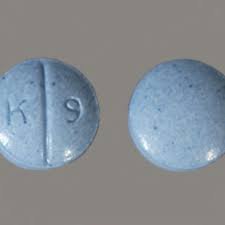
Oxycodone 30 mg (K9)
$6.00 Select options This product has multiple variants. The options may be chosen on the product page -
Oxycodone 30 mg (M30 BluePill)
$6.00 Select options This product has multiple variants. The options may be chosen on the product page

What Is Oxycodone?
Oxycodone is a powerful opioid pain medication used to treat moderate to severe pain. It belongs to a class of medicines known as opioid analgesics, which work by changing how the brain and nervous system respond to pain signals. Oxycodone is typically recommended when other pain relief options are not strong enough to manage ongoing discomfort. It is commonly used after surgery, serious injury, or for chronic pain conditions that significantly affect daily life.
This medication is known for its strong pain-relieving effects. Because of its potency, oxycodone is carefully monitored and regulated. When used responsibly and under proper medical supervision, it can provide effective relief and improve overall quality of life for individuals suffering from intense pain.
How Oxycodone Works in the Body
Oxycodone works by binding to opioid receptors located in the brain and spinal cord. These receptors are part of the body’s natural pain-control system. Once attached, oxycodone reduces the perception of pain and may also create a calming effect. By altering the way pain signals are transmitted, the medication helps individuals feel more comfortable and able to function.
Because oxycodone acts directly on the central nervous system, it can also influence breathing, mood, and alertness. This is why dosage accuracy and responsible use are extremely important.
Common Forms and Strengths
Oxycodone is available in different forms, including immediate-release tablets and extended-release formulations. Immediate-release versions are typically used for short-term pain and may be taken every few hours as directed. Extended-release tablets are designed for longer-lasting pain control and are often used for chronic conditions requiring consistent relief.
The appropriate strength depends on individual needs, pain severity, and previous exposure to opioid medications. Medical history plays a major role in determining the correct dosage.
Potential Side Effects
Like all opioid medications, oxycodone may cause side effects. Some of the most common side effects include drowsiness, dizziness, nausea, constipation, dry mouth, and headache. Constipation is particularly common and may require dietary changes or supportive care.
More serious side effects can include slowed breathing, extreme sleepiness, confusion, low blood pressure, and fainting. If breathing becomes slow or difficult, immediate medical attention is necessary. Understanding these risks helps promote safer use.
Risk of Dependence and Misuse
Oxycodone carries a risk of physical dependence and addiction. Because it interacts with the brain’s reward system, repeated use can lead to tolerance, meaning higher doses may be required to achieve the same pain relief effect. Physical dependence means that stopping the medication suddenly can result in withdrawal symptoms such as restlessness, sweating, muscle aches, insomnia, and anxiety.
Addiction is different from physical dependence and involves compulsive use despite harmful consequences. This risk highlights the importance of strict adherence to medical guidance when using oxycodone.
Important Safety Considerations
Oxycodone should never be combined with alcohol or certain sedative medications unless approved by a healthcare provider. Mixing substances that slow the central nervous system can significantly increase the risk of breathing problems.
It is important to take oxycodone exactly as directed and never exceed the recommended dosage. Tablets should be stored securely to prevent accidental ingestion by children or misuse by others. Safe storage and responsible handling are essential for minimizing risks.
Who Should Use Caution?
Individuals with breathing disorders, liver disease, kidney problems, or a history of substance misuse should use caution. Pregnant individuals should also consult a healthcare professional due to potential risks to the baby. Every patient’s situation is unique, and careful evaluation is necessary before beginning opioid therapy.
Final Thoughts on Oxycodone
Oxycodone is an effective medication for managing severe pain when used appropriately. It offers significant relief for individuals dealing with serious medical conditions or post-surgical recovery. However, because oxycodone is a strong opioid, it must be handled with care and awareness of potential risks.
Education, responsible use, and ongoing medical supervision are key factors in ensuring safety. Understanding how oxycodone works, its side effects, and its risks helps individuals make informed decisions about pain management and overall health.